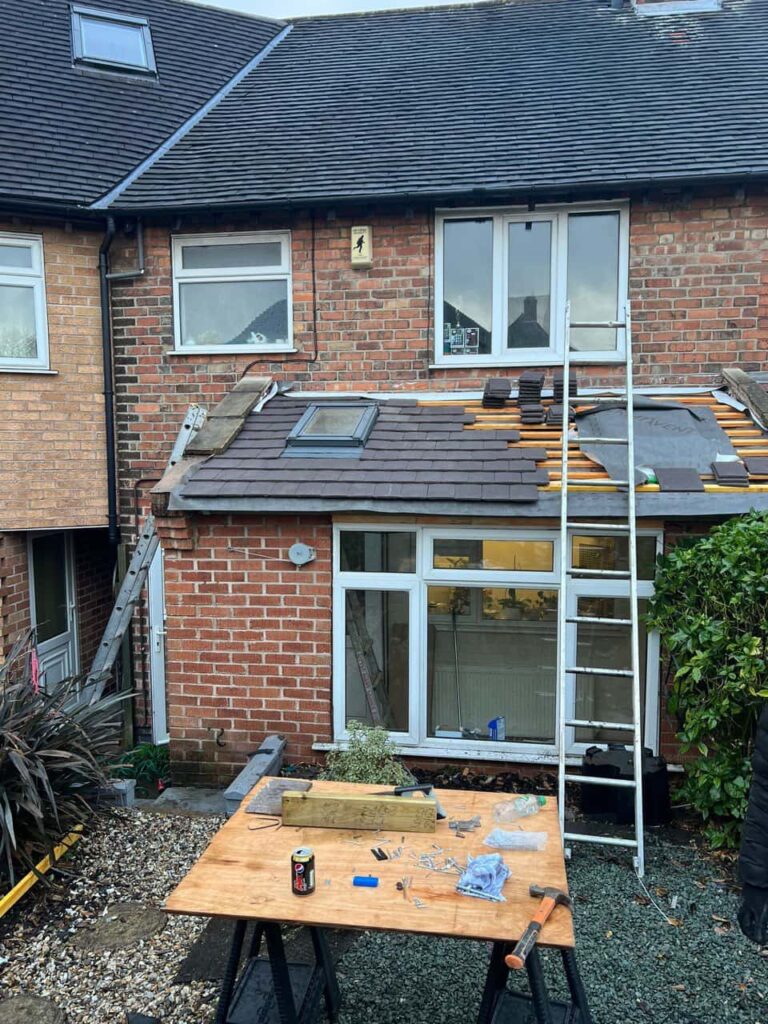
A roofing emergency can happen unexpectedly, leaving a property exposed to rain, wind and further damage. Severe weather, falling branches, sudden leaks or displaced tiles can all compromise the roof’s ability to protect the building. While the immediate concern is often to prevent water from entering, it is equally important to understand exactly what has caused the problem and whether other parts of the roof have been affected.
For homeowners in Littleport, Cambridgeshire, arranging a professional assessment after a roofing emergency helps identify hidden damage, establish the most appropriate repairs and reduce the risk of recurring problems. A careful inspection provides a clearer understanding of the roof’s condition rather than relying solely on the most obvious signs of damage.
Identifying the Full Extent of the Damage
After a roofing emergency, visible damage does not always tell the whole story. A missing tile or obvious hole may indicate where the problem started, but surrounding materials and underlying components could also have been affected.
For example, strong winds may dislodge several tiles while weakening nearby fixings. Similarly, a damaged section of flashing could allow water to travel beneath the roof covering and affect areas away from the original entry point.
A professional roofer can inspect the affected section and assess surrounding components, including:
- Roof tiles and slates for cracks, movement or missing sections.
- Ridge tiles and hips for loose materials or deteriorating mortar.
- Flashing around chimneys, roof junctions and other vulnerable points.
- Underlay and supporting battens where accessible.
- Flat roofing materials for splits, lifting or punctures.
- Gutters and roof edges for damage that may affect drainage.
Identifying these issues helps ensure that repairs address the actual extent of the problem rather than just its most noticeable symptoms.
Finding the Source of Roof Leaks
Water entering a property can be difficult to trace. A damp patch on an upstairs ceiling does not necessarily sit directly beneath the damaged part of the roof. Rainwater can travel along timber, underlay and other surfaces before becoming visible inside.
Without a proper investigation, it is possible to repair the wrong area while the original entry point remains exposed. This can result in further leaks, recurring damp patches and additional deterioration.
A professional assessment considers the roof’s layout, the location of internal water damage and the condition of external materials. By investigating how water may be entering, a roofer can identify the likely source and recommend a suitable repair.
This is particularly important when leaks appear intermittently or only during periods of heavy rainfall.
Checking for Hidden Structural Problems
A roofing emergency can sometimes reveal weaknesses that have developed gradually. Repeated moisture exposure, ageing materials and deteriorating fixings may have affected parts of the roof before the incident occurred.
If water has entered the roof space, it may have affected insulation, timber battens or other supporting components. In more serious situations, prolonged moisture can contribute to timber deterioration and create conditions that encourage mould growth.
A professional inspection helps determine whether the problem is limited to the outer covering or whether further attention is needed. Identifying these concerns early supports more effective repairs and helps prevent damage from spreading.
Establishing the Right Repair Approach
Not every roofing emergency requires the same solution. A displaced tile may need to be replaced or correctly secured, while damaged flashing may require more specialised attention. Flat roofs can present different challenges, particularly where a split membrane or failed joint has allowed water beneath the surface.
A professional assessment allows the repair method to be matched to the roofing material, the location of the damage and the overall condition of the affected area.
This also helps avoid unnecessary work. Rather than replacing materials without understanding the underlying issue, the roofer can focus on the components that genuinely require attention while checking for related weaknesses.
The result is a more considered approach to restoring the roof’s weather resistance.
Why Temporary Measures Are Not a Long-Term Solution
During an emergency, temporary measures may sometimes be necessary to limit immediate water ingress. However, these should not be treated as a substitute for a proper inspection and permanent repair.
Temporary coverings or improvised fixes can become ineffective when exposed to further rainfall or strong winds. They may also conceal damage that needs to be investigated.
Homeowners should avoid climbing onto a damaged roof, particularly when surfaces are wet or roofing materials have become unstable. Roof inspections and repairs should be left to professionals with suitable equipment and experience.
Arranging an assessment promptly helps establish what needs to be done once the immediate situation has been made safe.
The Importance of Prompt Roofing Inspections in Littleport
Delaying an assessment after a roofing emergency can allow a small defect to become a more extensive problem. Even a minor opening in the roof covering may expose the underlying structure to repeated rainfall, increasing the possibility of internal damage.
For properties in Littleport, Cambridgeshire, prompt professional attention can help restore the roof’s protective function and provide reassurance about its overall condition.
Littleport Roofing Repairs can assess roofing damage, investigate potential sources of leaks and recommend suitable repair work. Whether the emergency involves missing tiles, damaged flashing or unexpected water ingress, a professional inspection is an important first step towards resolving the issue.
Conclusion
A roofing emergency should never be judged by visible damage alone. Problems beneath the surface, weakened fixings and hidden water entry points can all contribute to further deterioration if they are not identified.
Professional assessment helps establish the full extent of the damage, locate the source of leaks and determine the most appropriate repair approach. If your property in Littleport, Cambridgeshire, has experienced a roofing emergency, contact Littleport Roofing Repairs to arrange an inspection and discuss the work needed to protect your roof.
Call us on: 01353 881 094
Click here to find out more about Littleport Roofing Repairs
Click here to complete our contact form and see how we can help with your roofing needs.